The Mural Perennial Garden
One of Mrs. Aldrich’s hobbies was flower gardening. She obtained her love of flowers, as well as learning how to care for them from her mother. She carried this love into her writing by frequently naming, describing and often evoking the scents of them. Carol Miles Peterson, Aldrich’s biographer, wrote “Aldrich believed that scent—even description of scent—was one of the most powerful tools of memory, deepening the reader’s absorption into the story.”
The flowers planted in this garden are all mentioned in her writings, and most are also native to
the Nebraska prairie.
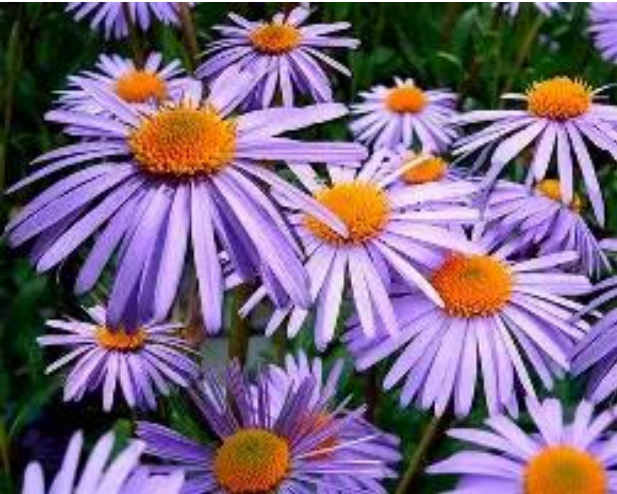
Asters
“Once more summer dropped subtle hints to the Mid-West that she was about to slip away, insinuated it with cooler night,. . . and gay little taunts of wild asters thrown along the banks of Old Coon Creek.”
Mother Mason
Asters are native to the Nebraska prairie with their star shaped flowers blooming in late summer and fall. There are over 600 species and symbolize love and wisdom. Many varieties are an important source of nectar for migrating monarchs.
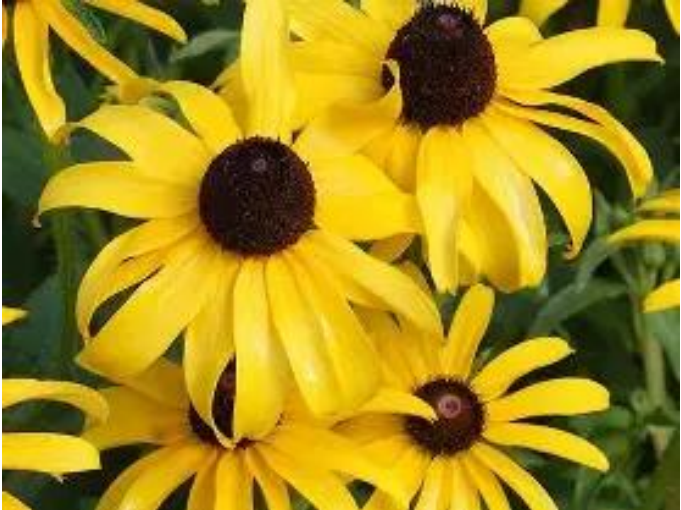
Black-Eyed Susans
“She had made two little wreaths of brown-centered daisies from the flowers on one of her
summer hats.”
The Lieutenant’s Lady
Black Eyed Susan’s are native to the Nebraska prairie. Their scientific name is rudbeckia and are also known as brown centered daisies due to their bright yellow flowers with dark centers that bloom from June to October. They symbolize encouragement and motivation. They are members of the sunflower family that can survive in diverse environments, as well as being great pollinators.
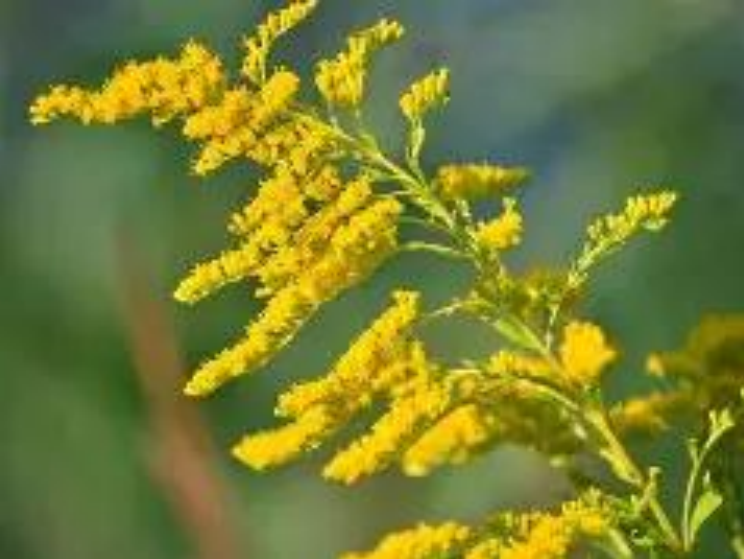
Goldenrod
“Everywhere there were plumes of goldenrod, like plumes from the hats of lovely ladies.”
A Lantern in Her Hand
Goldenrod is native to the Nebraska prairie and is the Nebraska state flower, which symbolizes endurance and resilience of the Nebraska pioneers. The small yellow flowers form clusters at the top of the stem and bloom from late summer to early fall. There are over 100 species and has been uses for many medicinal purposes throughout history and still today. It also attracts a wide range of pollinators and its root system helps prevent soil erosion.
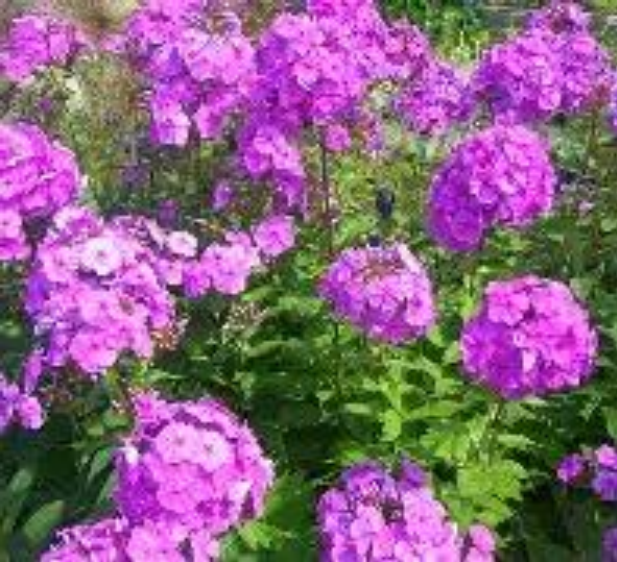
Phlox
“Spring on the prairie, with Sweet William and blue phlox . . . nosing up through the sod.”
Song of Years
Phlox are native to the Nebraska prairie and are known for their colorful blooms, delightful fragrance and are excellent pollinators. There are over 60 species and their five-petaled star like flowers are often arranged in dense clusters. Depending on the variety, they can bloom in white, pink, red, purple or blue in early spring or in the summer to fall. Phlox symbolize sweet dreams and unity.
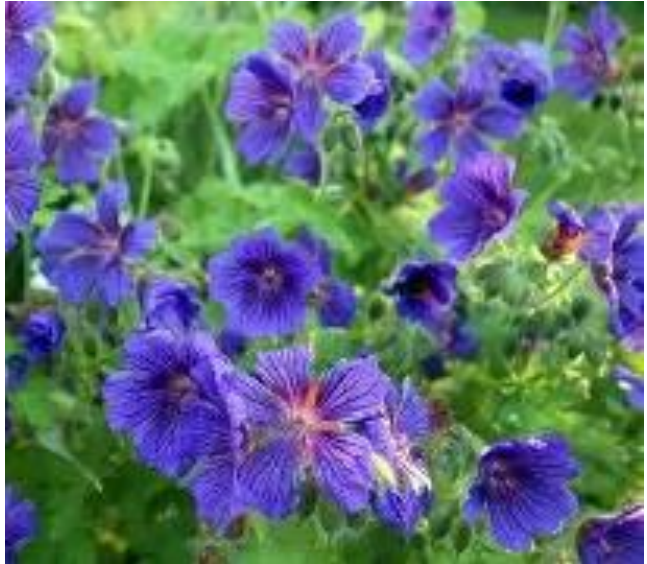
Geraniums
“. . . a bit of red geranium in his buttonhole completed the work of art.”
Miss Bishop
Geraniums originated in South Africa and there are over 300 species. This variety is a perennial or hardy geranium and also known as cranesbill. They are great at repelling insects and the leaves and flowers are edible. If you want one of your own, all that you need to do is to take a cutting, plant it in soil and watch it grow.They bloom in the spring and summer and symbolize friendship and happiness.
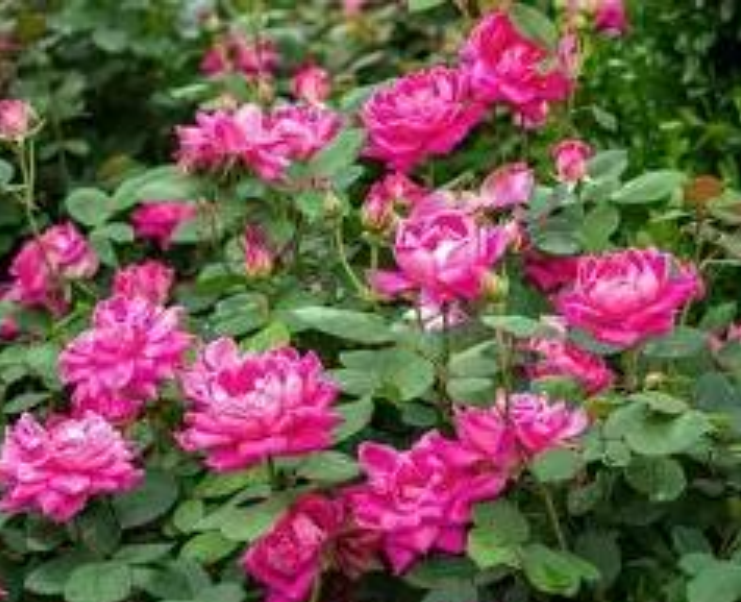
Rose
“Rose Schaffer looked as pretty as her namesake, the prairie roses.”
Spring Came On Forever
The rose is among the oldest cultivated flowers, possibly starting in China around 5,000 BC. It symbolizes love and beauty and the petals and leaves are edible and are a good source of several vitamins and minerals. It is also the national flower of the United States. This variety is the double knock out and will produce cherry-red double flowers that bloom repeatedly from spring to frost.
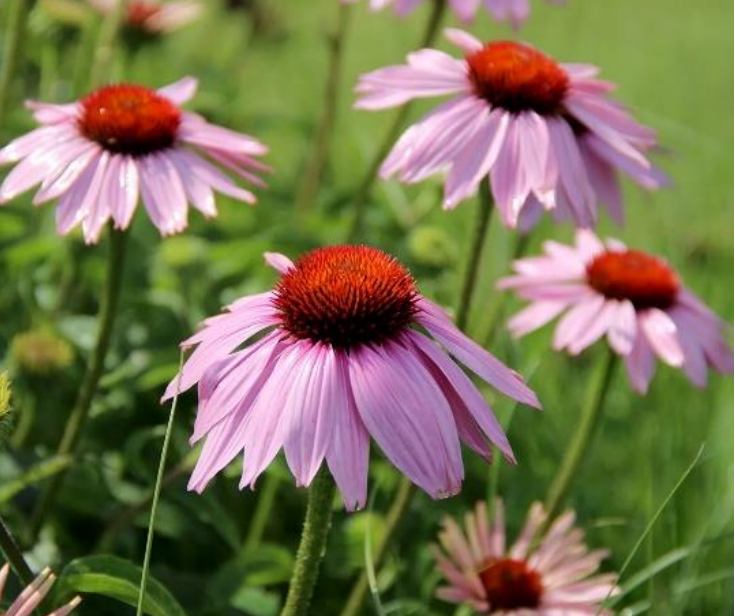
Coneflower
Coneflowers or Echinacea are native to the Nebraska prairie and are good pollinators. They bloom from mid-summer to fall and symbolize strength and healing. They have been used for centuries for medicinal purposes and modern science supports the claim that they are beneficial to the immune system.
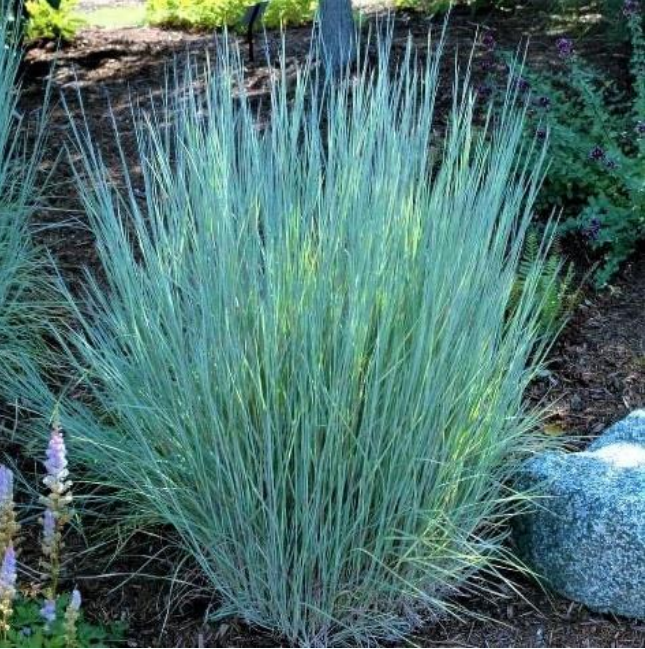
Little Blue Stem Grass
“The sun was low and the prairie grass was all a-ripple like the sea.”
The Rim of the Prairie
Little bluestem grass is native to the Nebraska prairie and is a warm-season, clump-forming perennial grass. It helps prevent soil erosion and will produce seed heads in the fall which provides winter interest. The variety in front of the mural is a taller one reaching approximately 36 inches, while the variety planted on both ends of the mural is a shorter one.